Bullying is rampant in learning institutions from elementary schools to institutions of higher learning. If you have a child in elementary or primary school, it is your responsibility to ensure they’re not bullied in school. College students are in a position to stand up for themselves, but younger kids are defenseless in the face of bullying.
When you educate your child about bullying, they’ll be able to take action if another kid tries to bully them. According to the research, conducted by Paymyessaywriter.com experts, many children in elementary school and primary school don’t even know when they’re being bullied.
Educating kids on bullying also means teaching them that bullying other kids is a bad thing. Your child should never be the victim or the perpetrator because both circumstances end up negatively impacting a child’s development. Even though kids spend a better part of the day in school, this does not mean that you should leave all responsibility to the teachers.
1. Make your Child Understand what Bullying is
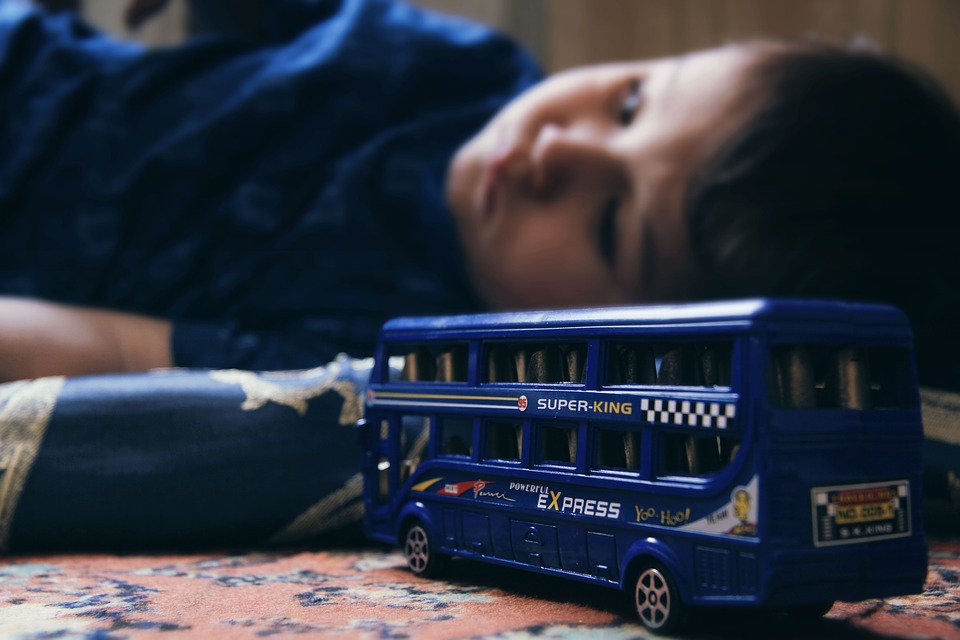 Bullying is an intentionally aggressive behaviour as a result of power or strength imbalance. This is a repeated behaviour which can be verbal, relational and most commonly, physical.
Most of the times, boys bully physically while girls bully through social exclusion. This behaviour has been part of school institutions for years.
Because the world is now digitalized, your child can also be bullied online. This is the hardest to identify because kids think it’s just social media banter. Cyberbullying is very real, and our children are victims and perpetrators without us knowing.
You should make a point of monitoring your child’s social media activity without the intention of invading their privacy. This means building a relationship of trust between you and your child.
2. Practice possible in-person Responses with your child
 Since a child’s brain is still developing, explanation alone might not be enough to help your child understand how they should respond to bullying. This why you need to practice with them possible in-person responses.
Role-playing will help your child understand what bullying is on a personal level. Make time to practice responses with your child regularly until they figure out how to deal in such situations.
If your child gets harassed in school, these responses you practice with them will ensure they know how to handle themselves. Bullies tend to stop when they find out the person they’re targeting can defend themselves.
Brainstorm different response ideas to empower them and make them confident in their abilities to fight back. Not to say that you should teach your child that beating bullies is the solution.
3. Involve the Bully’s Parents
 If your child tells you that a specific child keeps picking on them, you should involve this child’s parents. Such situations are better off solved from the root cause because the bully will keep on harassing your child if they’re not stopped.
If possible, you should also involve the school because they are responsible for your child’s safety. After all, you don’t pay that much school fees only for your child to get traumatized.
4. Help your Child Make Good Friends
 Kids have no idea how to choose a friend because they’re not grown enough to judge a person’s characters. If you’re friends with a like-minded parent, you should arrange play dates for the kids and help them become friends. This would be amazing if they go to the same school because this way they can stand up for each other.
Conclusion
Children in elementary and primary school are at a very impressionable age. This means that any experiences they have will stick with them for a long time. As a parent, it is your responsibility to ensure your child is not bullied. Work with the school to make sure your child is always safe.